
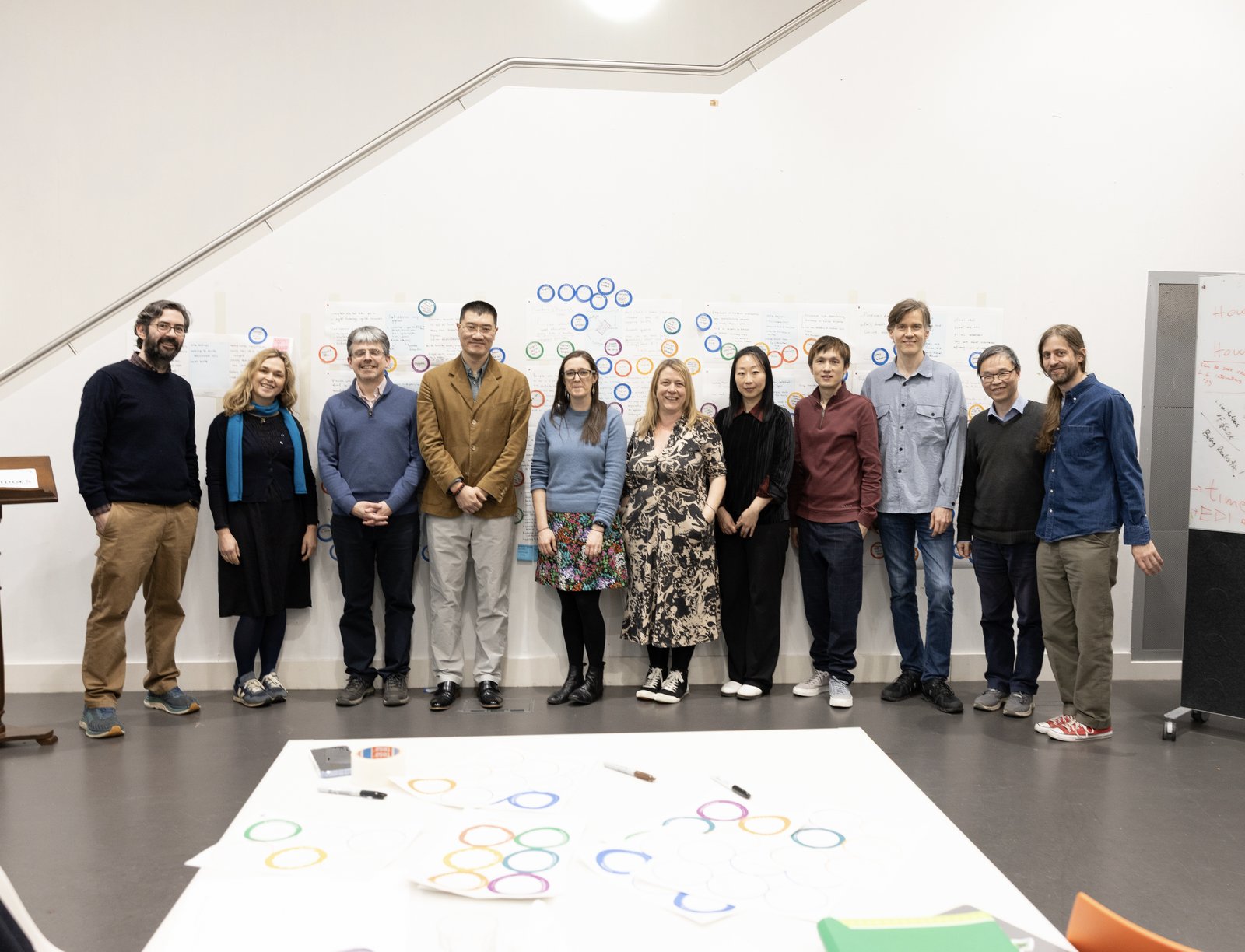
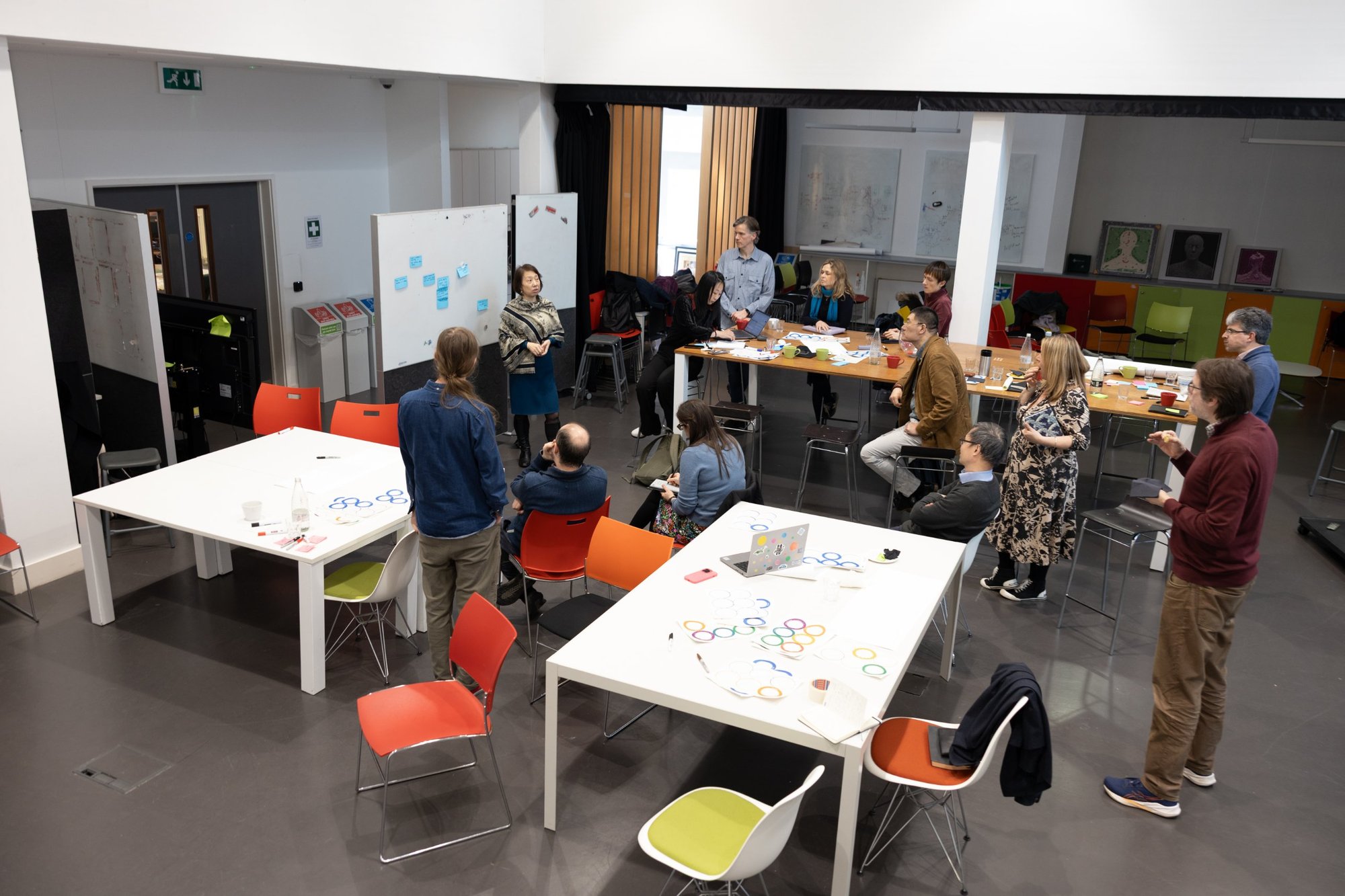
As part of the BRIDGES Network+, which Roger and I are co-investigators on, we ran a workshop in March with the network’s investigators. The question on the table was a big one. How should BRIDGES position, involve and value the lived experience of people living with dementia in everything it does?
It’s easy to say lived experience matters, so we used co-design methods to get specific about it. In the morning everyone described a project that had brought lived experience into research, mapping who the people with lived experience were, who the researchers were, and the engagements that connected them. We then applied six reflective lenses to each project, in the form of colourful stickers, capturing the roles people were given, research insights, real-world impact, barriers, enablers and feelings. A second set of stickers mapped the role lived experience actually played, whether that was informing, testing and validating, consulting, deciding and driving, legitimising, or something else entirely. Before long the wall was covered in circles.
After lunch we turned to the network itself, asking how lived experience could enhance and transform research within each of the network’s themes, and how sandpits, funding calls, ECR masterclasses and other activities could best harness it.
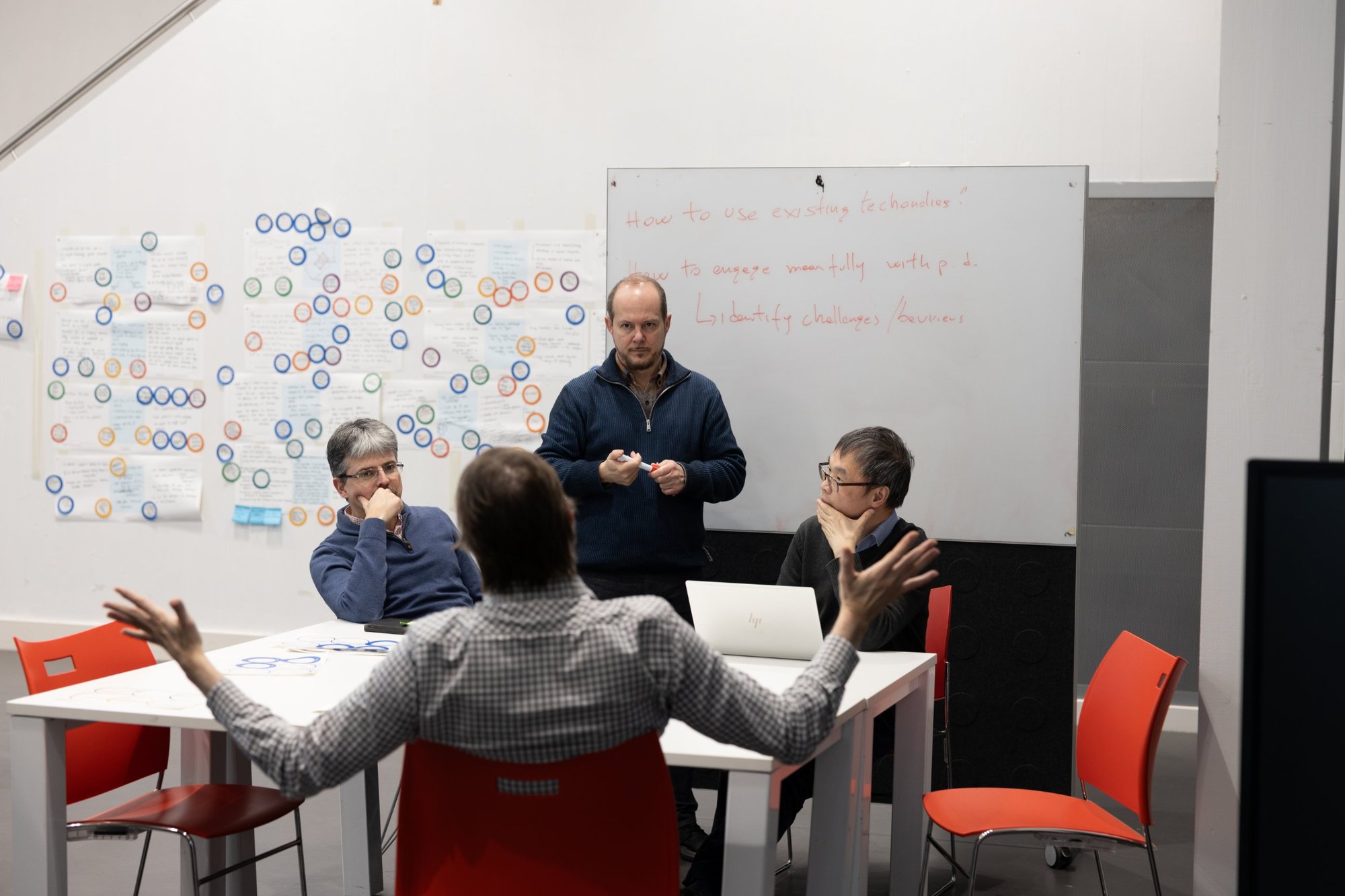
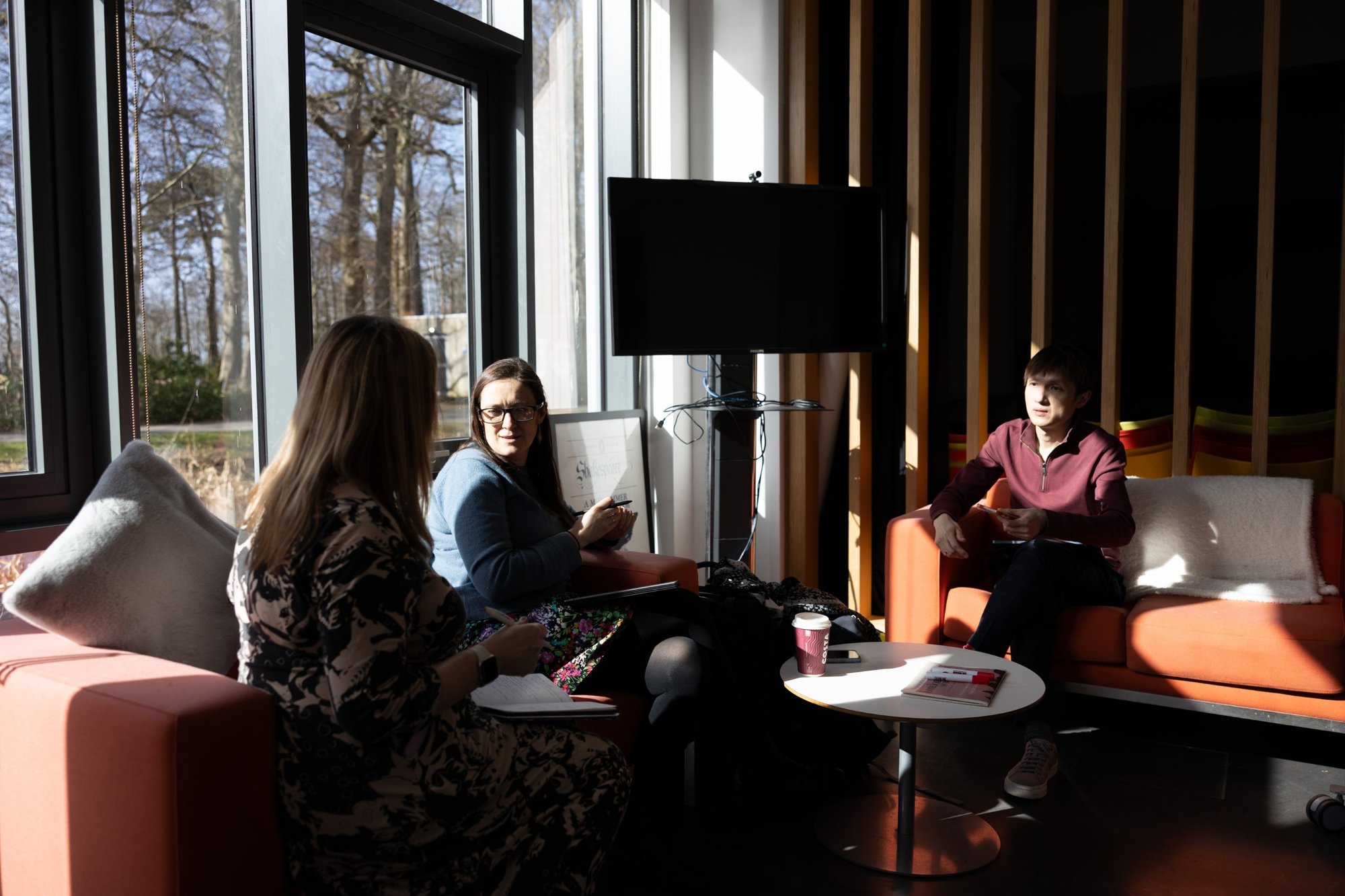
A few things stood out. Everyone in the room used lived experience, but nobody meant quite the same thing by it. The range stretched from patients who volunteered for dementia research knowing it wouldn’t help them personally, through to police officers and communities described mainly as end users of a technology. Some projects were consultative, some more extractive, and some were built around co-production. That spread is worth being honest about early, before it becomes an awkward conversation later. Encouragingly, care and the ethics of participation came up again and again without anyone being prompted, so nobody needs convincing that this matters. What the network needs next is shared structure and vocabulary to act on what it already believes, and a clear sense of how network-level and theme-level activities will each support lived experience involvement.
Roger and I wrote the day up as a short report for the network, and it’s feeding into how BRIDGES plans its activities from here.