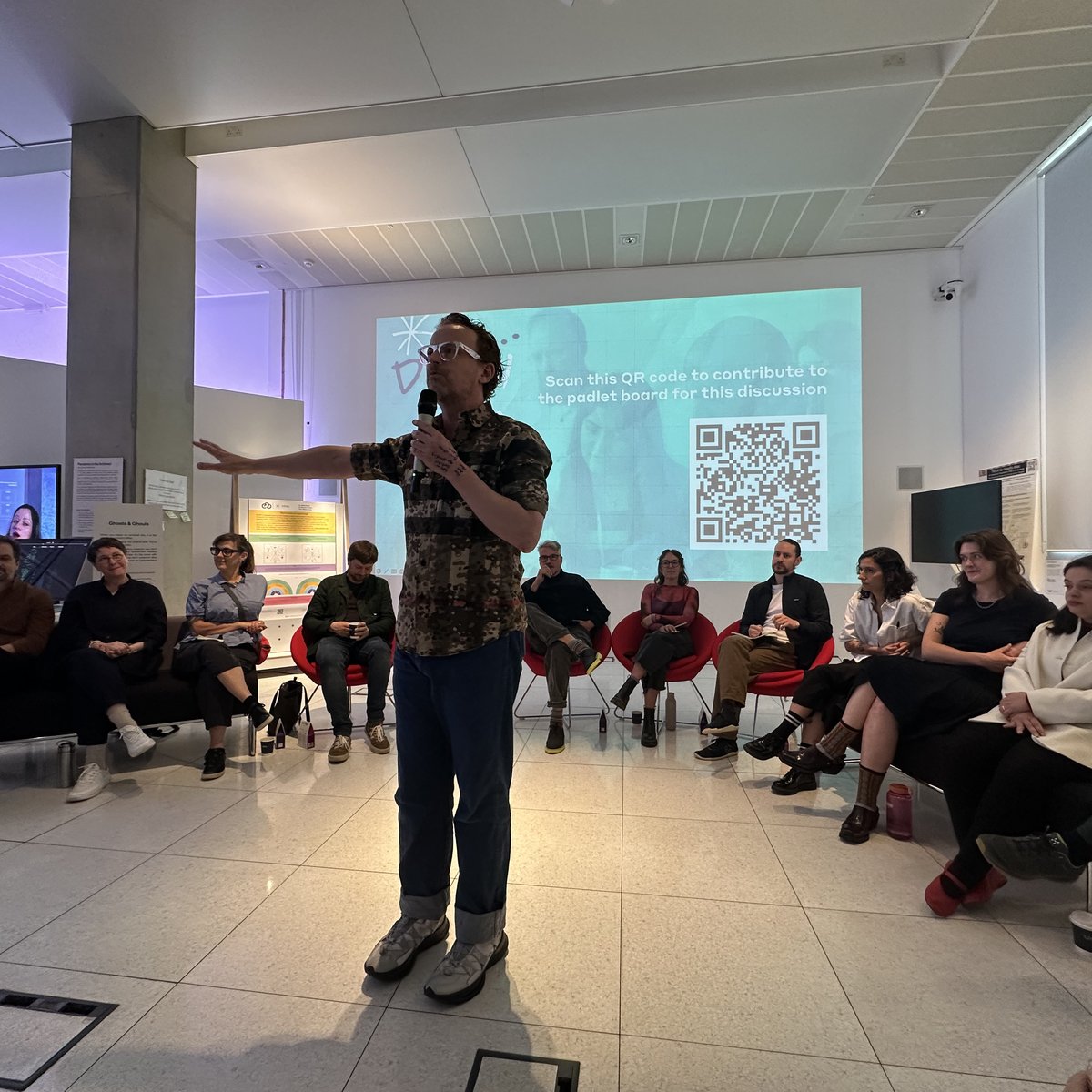
In June I spent a week in Edinburgh at DRS 2026, the Design Research Society conference. It was a lovely experience. DRS is one of those events where you get to see colleagues from around the world, many of whom are friends, and this year I had a few different hats on.
DRS P.S!
The biggest of those hats was DRS P.S!, a fringe event I co-organised with Design HOPES and our own Saadia Shah on the final day of the conference at INSPACE. After a week of presentations, workshops and panels, the idea was to unpack (and repack) the key themes and questions of the conference under three headings. What now? What not? What next?
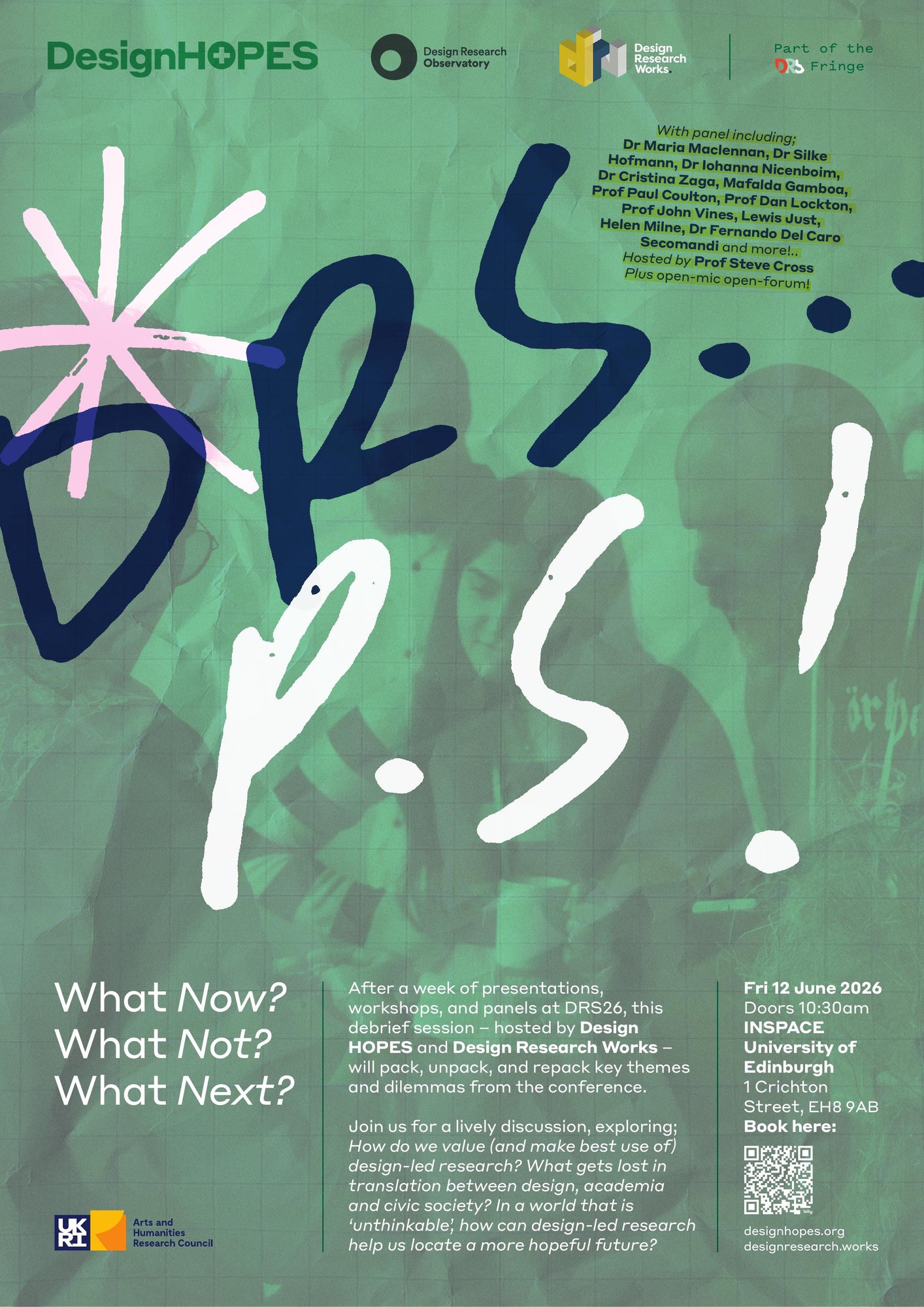 The invitation to DRS P.S!
We asked how we value, and make best use of, design-led research. In a field noted for its pluralistic approaches, how can we articulate and mobilise the potential and value of such a diverse form of practice? What gets lost in translation between design, academia and civic society? And in a world that is ‘unthinkable’, how can design-led research help us locate a more hopeful future?
The session was hosted by Prof Steve Cross, with a panel including Dr Maria Maclennan, Dr Silke Hofmann, Dr Iohanna Nicenboim, Dr Cristina Zaga, Mafalda Gamboa, Prof Paul Coulton, Prof Dan Lockton, Prof John Vines, Lewis Just, Helen Milne and Dr Fernando Del Caro Secomandi, followed by an open-mic open forum. Around 100 people came along, and it was a great success. Rather than a recap of the conference, it became a reflective conversation about what lies beyond the conference, and how we can do design research that has real, world-changing impact.
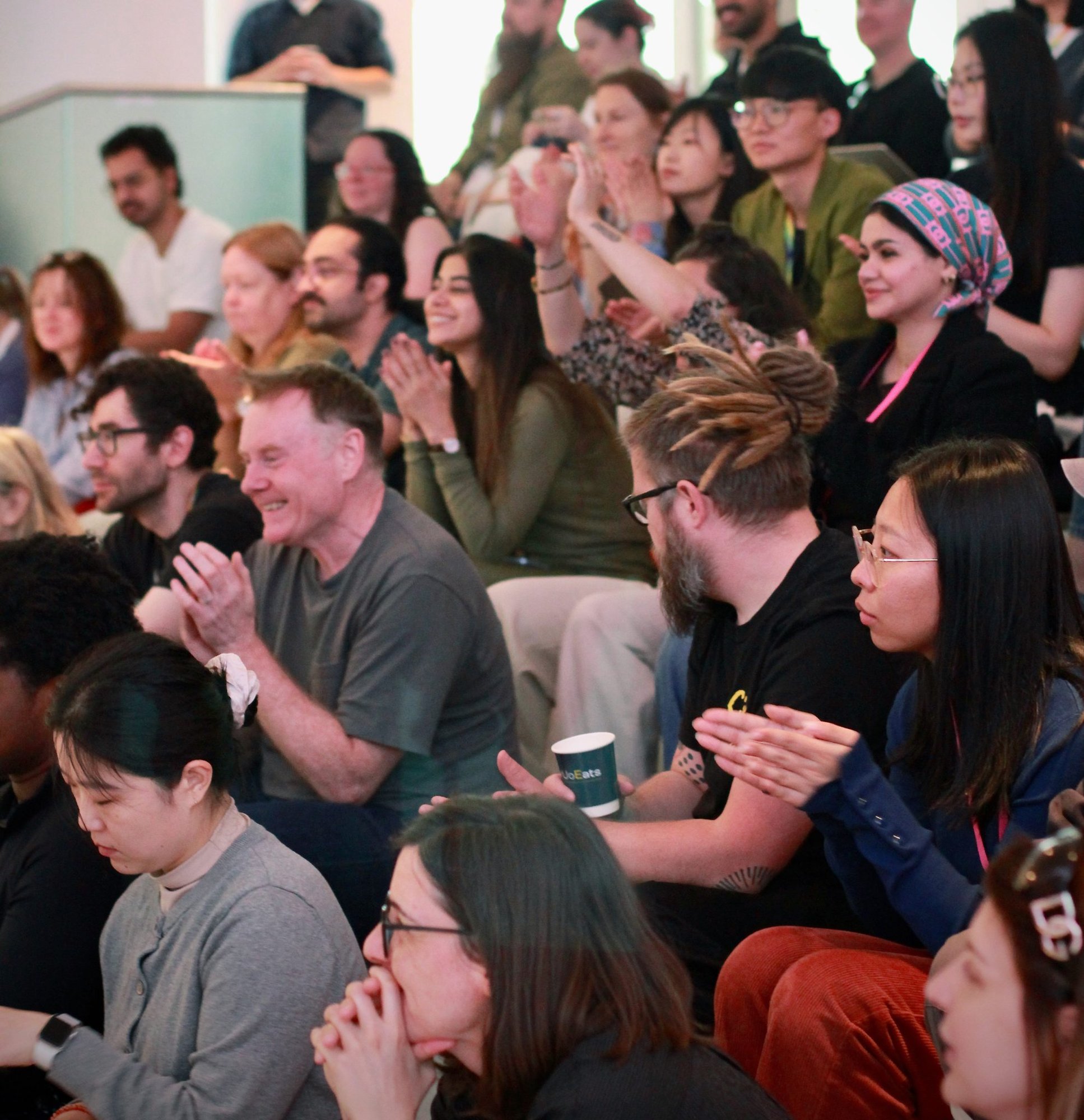 The audience for DRS P.S! at INSPACE, Edinburgh, 12 June 2026
Pirate DRS
I also took part in Pirate DRS, another fringe event, which happily blurs the boundaries between academia and comedy. My contribution was a short communication from The Journal of Things That Definitely Maybe Happened, a recursive proof that an unreviewable paper was in fact reviewable. The joke has a serious point. Peer review is a sacred part of academic life, and as conferences fill up with submissions we should fiercely protect equitable access to it.
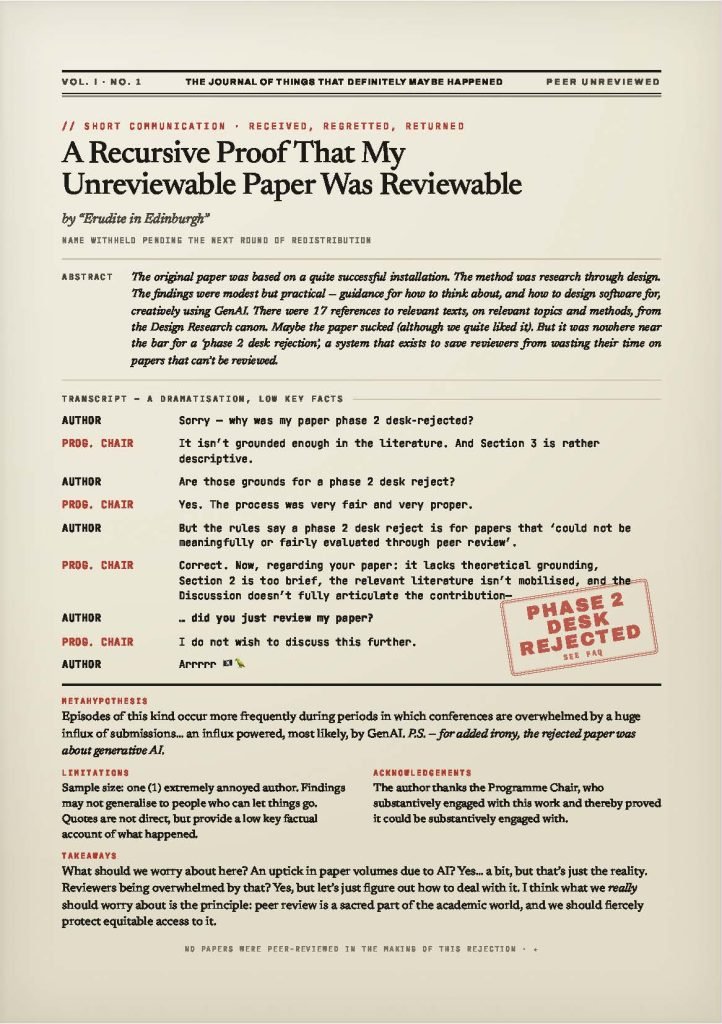 My Pirate DRS statement
Co-speculating with AI
On the main programme I was there with a co-authored paper, Co-speculating with AI: From prompts to practices, written with Elisa Giaccardi, Maria Luce Lupetti, Giulia Jiangxian Zhu and Dave Murray-Rust. It draws on a design studio in which 55 postgraduate students used generative AI to explore more-than-human practices of decentering. From that work we developed a vocabulary for human and machine co-speculation in the classroom, from single prompts through to extended collaborative sessions.
A more-than-human track
I was also one of the co-organisers of the More-than-Human Design track, which had over 30 accepted submissions and presentations. You can read more about it in our track editorial. It follows on from the track we ran at DRS 2024.
Is design research doing the work?
The week was reflective for me at times too. We are now nearly six years into Design Research Works, and I found myself thinking hard about whether design research is actually doing the Work. And, perhaps more usefully, how we can help design researchers to be even more impactful. That is a question I expect to keep chewing on for a while yet.
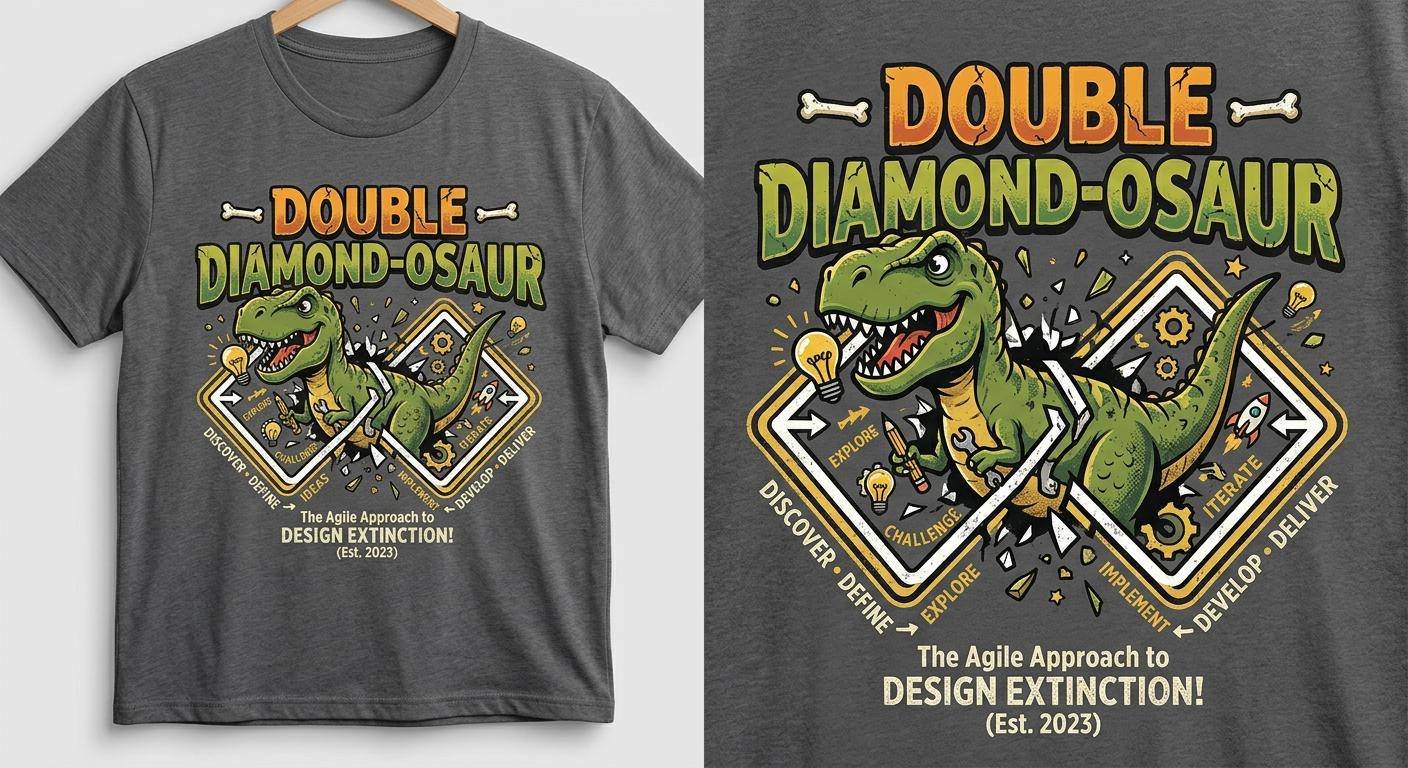 The Double Diamond-osaur. The agile approach to design extinction.